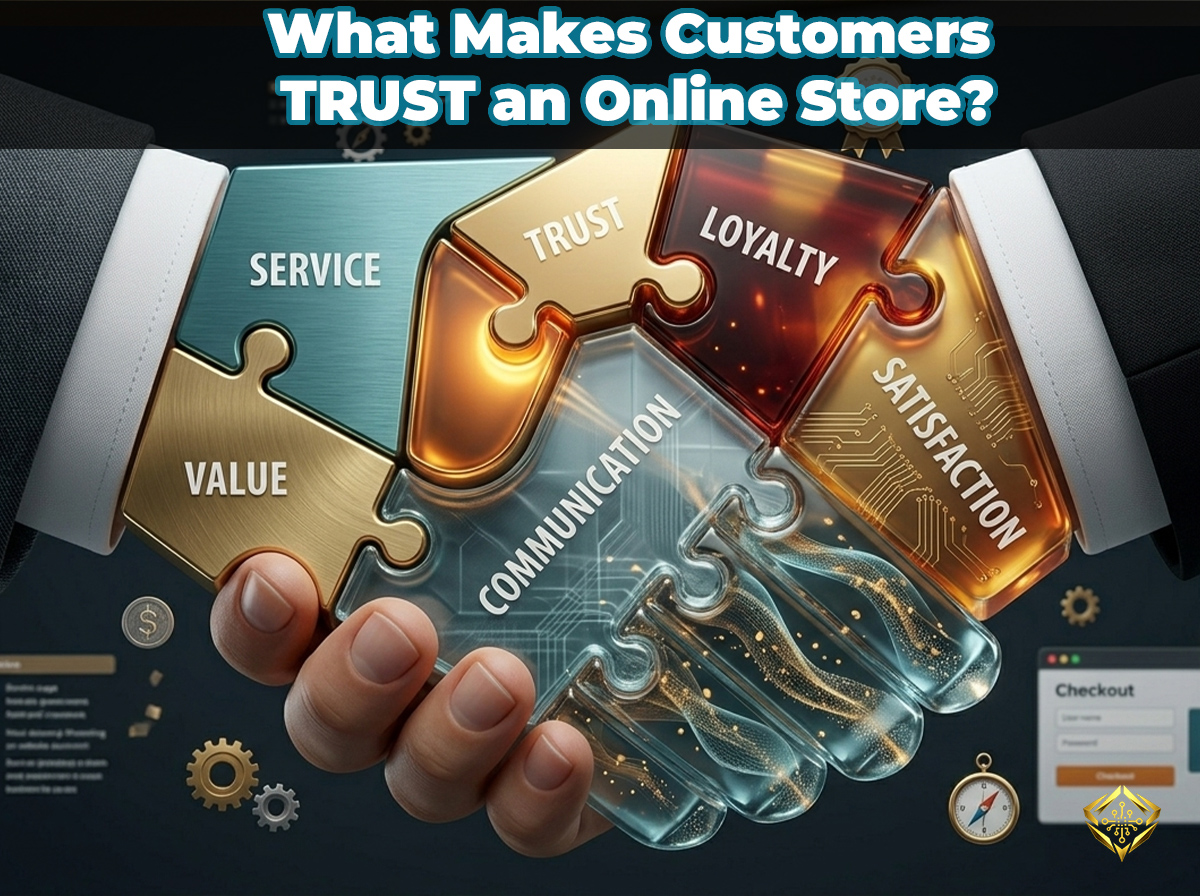
When a customer steps into a physical retail shop, trust is built almost automatically. They can touch the items on the shelves, look the shop owner in the eye, and see other shoppers navigating the aisles. The physical reality of the building provides an immediate safety net.
Online shopping is completely different. When a visitor lands on an e-commerce website, they are asked to hand over their sensitive credit card details and personal data to a digital screen. They cannot touch your product or meet you in person - they have to take a leap of faith.
“ In e - commerce, design is the ultimate currency of trust. If your digital storefront feels neglected, confusing, or hidden, shoppers will assume your customer service shares those exact traits. ”
In 2026, building consumer trust isn't a vague marketing concept; it is a strict baseline requirement for survival. If your store fails to project security within the first few seconds, visitors will close the tab and buy from a household name. Let’s look at the simple, non - technical elements that prove your store is legitimate, safe, and entirely worthy of a purchase.
1. Professional Design and Flawless Usability
Your website's layout is your brand's digital suit. If a store features blurry images, mismatched fonts, broken layout grids, or text that overlaps painfully on a mobile screen, it instantly looks like an unmanaged, sketchy operation.
A clean, modern, and cohesive design signals to the human brain that you are a highly established business that invests care, pride, and resources into your public presentation. High - quality usability shows that you respect your customer's time and convenience.
- Visual Consistency: Stick to a tight, professional palette of colors and a maximum of two highly readable fonts.
- Mobile Perfection: Ensure every single image, button, and navigation item scales flawlessly on a smartphone screen.
- Zero Broken Links: Regularly check that all menus, social buttons, and product links point exactly where they are supposed to.
Building Trust Through Proven Results.
Trust is earned through transparency, reliability, and consistent delivery. Don't just take my word for it - read how I’ve helped other business owners build credible, high-converting digital storefronts that their customers trust implicitly.
View Client Success Stories2. The " Real Human " Signals ( Transparency and Contact )
One of the fastest ways to destroy trust is to make your business look like a faceless, automated internet bot. Anonymous online stores that hide their geographic location, mask their contact options behind endless automated forms, or lack an "About Us" story raise immediate red flags.
Shoppers want to know that if an order goes missing or a product arrives damaged, a real human being is available to resolve the issue. Proudly displaying your business identity, clear location details, and a direct method of communication removes this massive friction point entirely.
Bonus: The "Trust Signal" Snippet
Want an instant trust boost? Copy and paste the code below right under your "Add to Cart" button to show customers their purchase is secure. Here is what it looks like:
<div style="display: flex; justify-content: center; gap: 20px; color: #555555; font-size: 0.9rem; margin-top: 15px;">
<span><i class="fa-solid fa-lock"></i> Secure Checkout</span>
<span><i class="fa-solid fa-truck-fast"></i> Fast Shipping</span>
<span><i class="fa-solid fa-rotate-left"></i> 30-Day Returns</span>
</div>
3. Unmistakable Data Security Architecture
Modern internet users are incredibly protective of their financial privacy and for good reason. If your store lacks clear indicators of absolute encryption, shoppers will abandon their cart before typing their first credit card digit.
Your first line of defense is a properly installed SSL certificate, which secures data transfer and adds the trusted padlock to the browser bar. Additionally, utilizing globally recognized payment gateways ( such as Stripe, PayPal, Apple Pay, or Google Pay ) means you never handle or store raw financial data on your own servers, keeping your customers safe.
The Value of Badges: Display recognized payment provider logos and clear encryption badges directly near your primary payment fields. This gives shoppers an instant burst of reassurance at the exact moment they make their final decision.
4. Clear, Fair, and Accessible Store Policies
Before checking out, a skeptical customer will frequently seek out your safety nets. They will look for your **Shipping & Delivery Costs**, your **Return Policy**, and your **Privacy Policy**.
If these links are completely missing, written in dense, unreadable legal text, or worse, try to hide the fact that returns are incredibly complicated, trust is permanently broken. Presenting a clear, fair " 30-Day Money-Back Guarantee " or an explicit " No-Hassle Return Policy " in plain, human language builds an immense amount of customer goodwill.
Final Thoughts
Winning customer trust in the modern digital landscape isn't about using manipulative sales badges or making flashy design promises; it's about being radically clear, professional, and accessible.
By cleaning up your layout, displaying your real contact channels openly, securing your technical checkout pathways, and writing clear customer policies, you remove the fear of the unknown. You transform your website from a suspicious link into a premium, trustworthy digital store where people feel completely confident spending their money.
Join the Discussion (0)